Alexander Savko
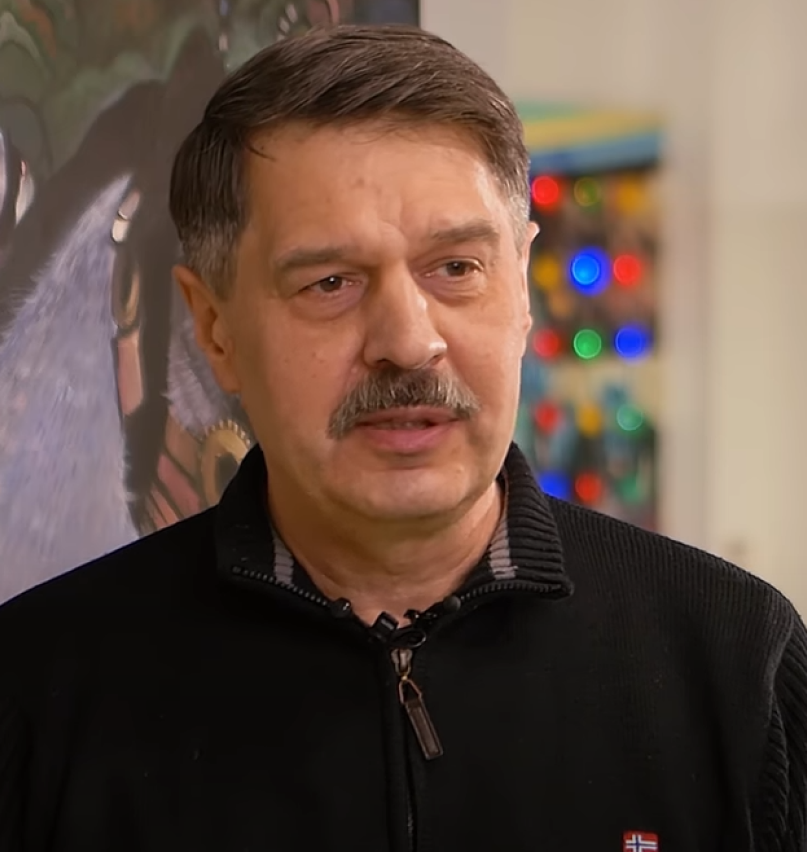
Alexander Savko was born in Transnistria, Moldova, and has been a notable figure in the Moscow art scene for the last three decades. He studied scenography at the Odessa Theatre and Art School and moved to Moscow in the late 1980s, joining the legendary artists' squat on Bauman Street. He lives and works in Moscow.
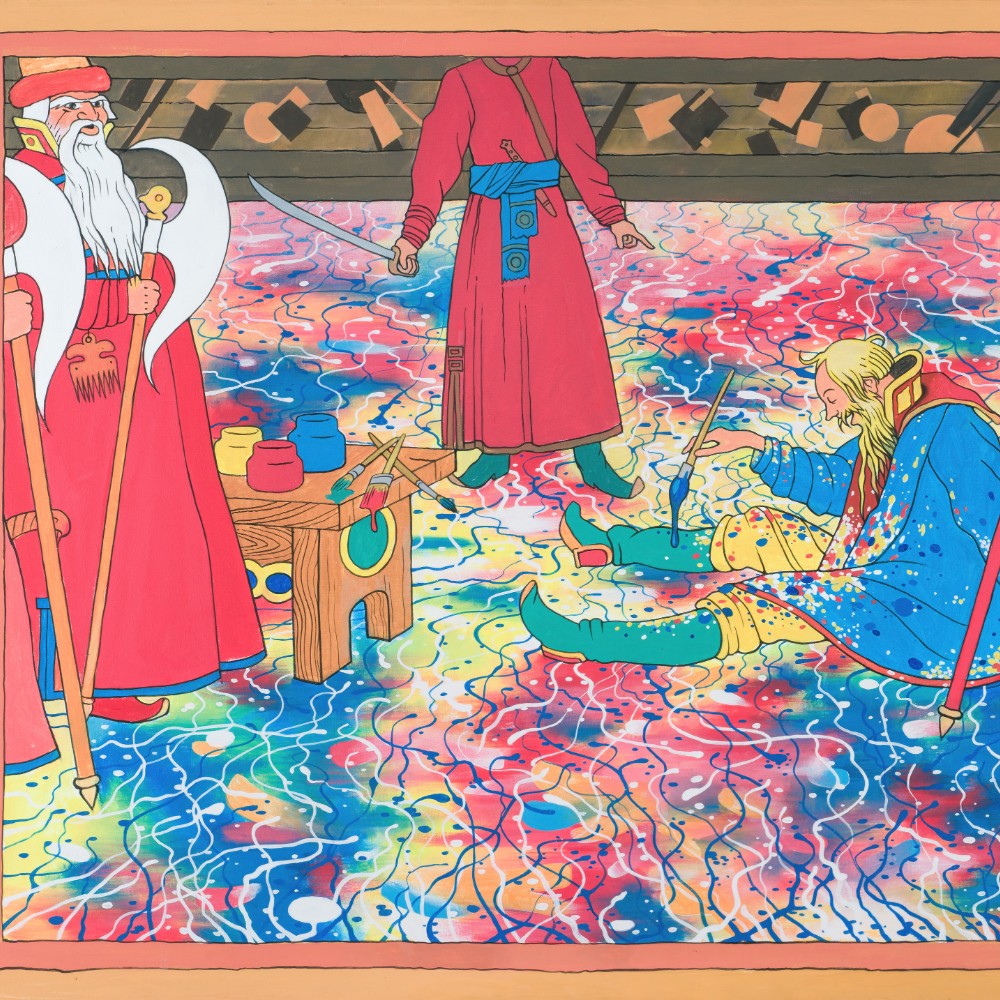
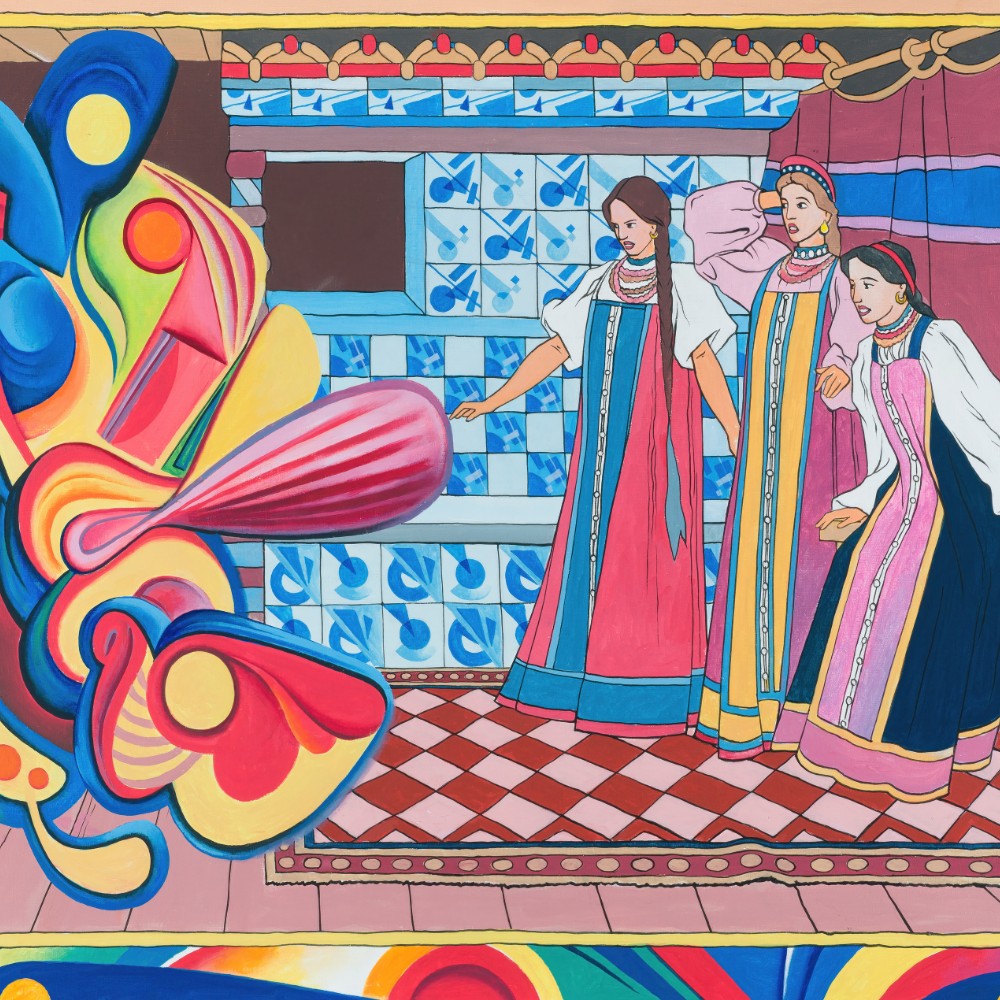
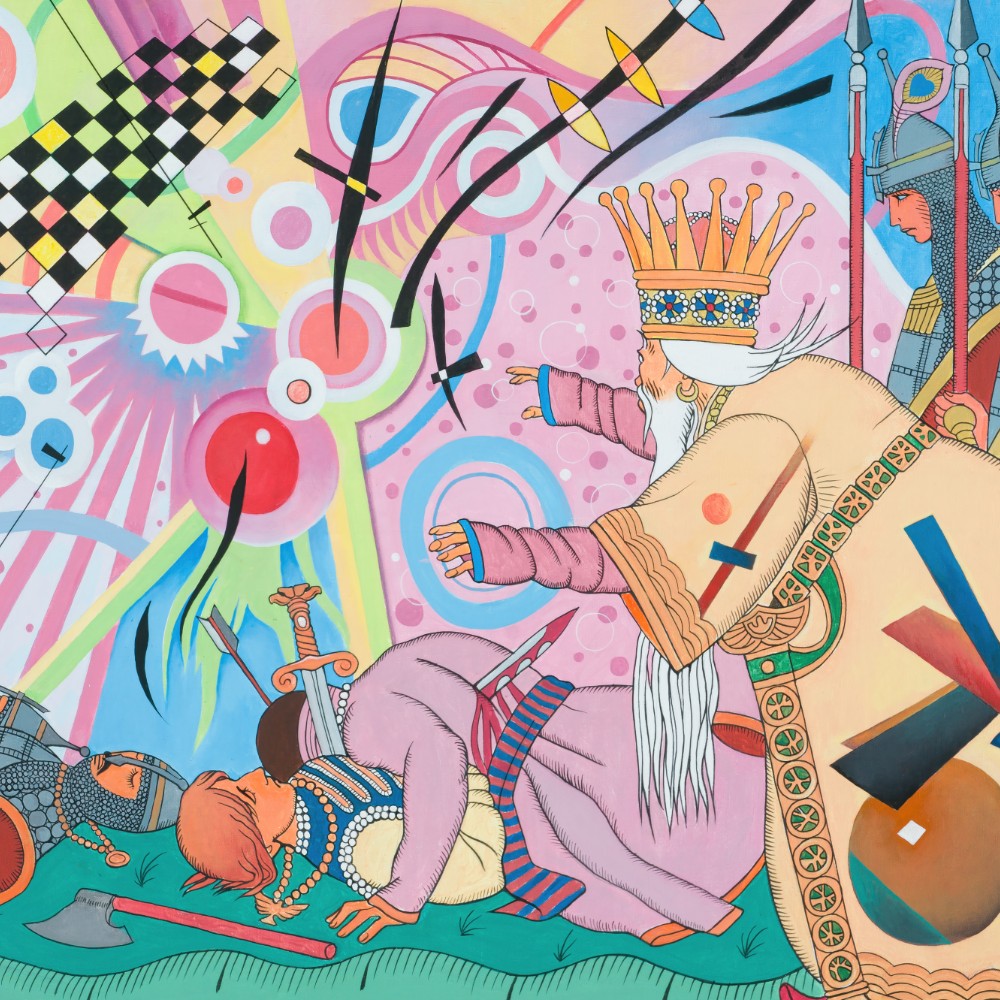
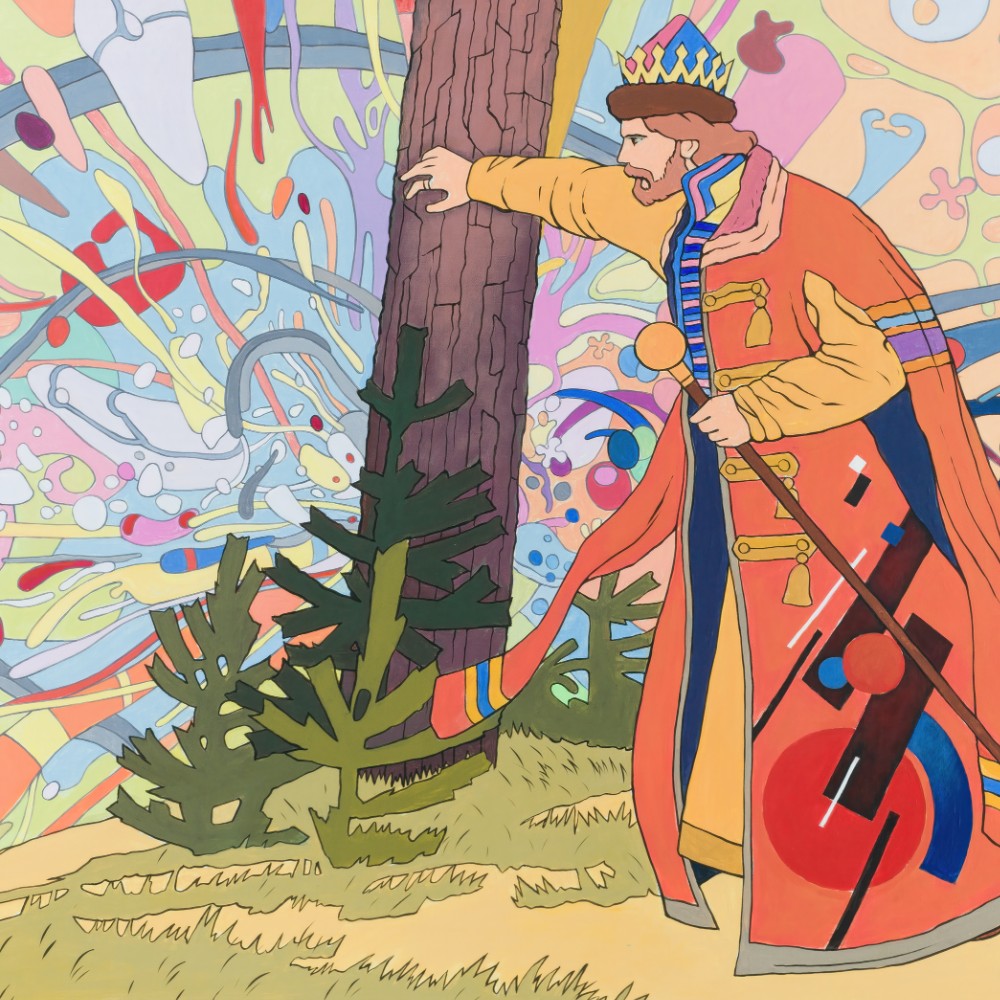
Savko works in the genre of the palimpsest. His paintings blend masterpieces of world art with icons of mass culture: characters from comics and animation are set into the context of Western or Russian classical art, opening a space that reinterprets historical periods and offers a fresh view of past and present. At the heart of his work is the quiet suggestion of a mysterious link between figures and backgrounds that seem incompatible — an absurd collision of cultural codes.
As the critic Fedor Romer put it: “Savko's works may look sarcastic and ironic, but in fact they embody our eternal complexes, forever urging us to cling to the sacred stones of Europe, even as those stones lie irreversibly buried under the lava of Vesuvius-MTV.”
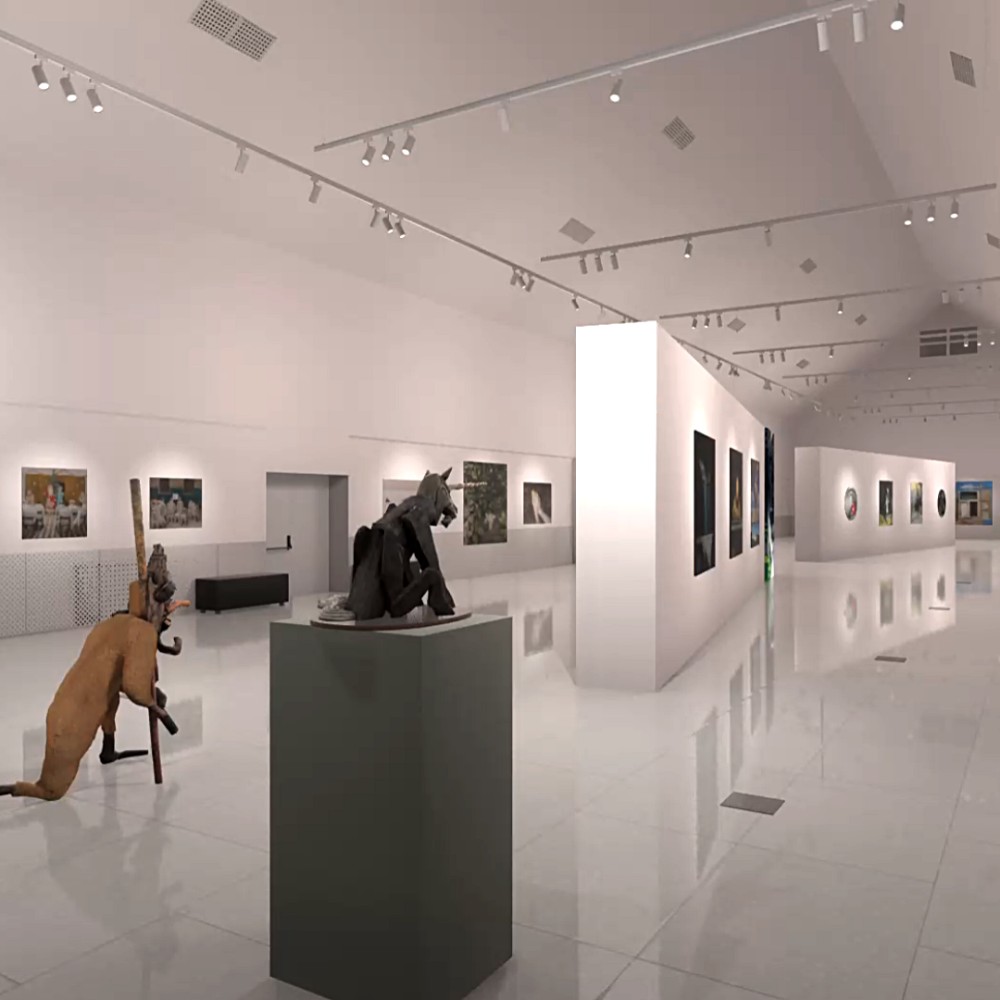
Savko has been exhibiting since 1988. His solo shows have been held in Moscow, Berlin, Vienna, Chisinau and Saint Petersburg, and his works have been shown at the State Tretyakov Gallery, the Erarta Museum of Contemporary Art (Saint Petersburg), the National Museum of Norway (Oslo), the Museum of Contemporary Art (Perm), the Museum of Decorative Arts (Moscow), the Literary Museum, the Zverev Centre, the Manege Central Exhibition Hall (Moscow), Erarta Gallery (London), and Moscow municipal galleries including “Na Kashirke”, “Belyaevo” and “A-3”, among other state and private galleries. He has taken part in the Slavic Biennale in Cetinje, the Novosibirsk Biennale of Graphic Arts, the Moscow Biennale of Contemporary Art and the international art fair FIAC in Paris, and has been nominated for the Kandinsky Prize in Moscow.
A central figure of the underground scene of the 1980s and 1990s, Alexander Savko continues to draw attention with an intellectual and playful reading of postmodernism. His works do not simply reproduce images and codes belonging to others: they are reminders of the hidden connections that run between different cultural codes.