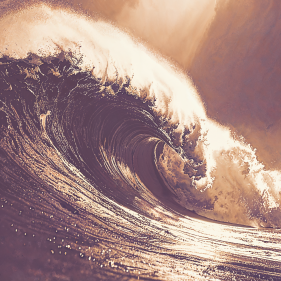
JULIEN LOUVIER LEGRAND
Renaissance
Julien Louvier Legrand's (Ju) exhibition unfolds a visual territory where digital arts and photography engage in dialogue to question our contemporary realities, narratives, and sensibilities. It brings together sophisticated digital compositions and images captured with a deliberately minimalist smartphone, reworked through deliberate post-production techniques: chromatic overlays, kinetic blurs, digital cropping, and luminous traces that sculpt the image space. This dual practice, combining both technical and artisanal elements, gives rise to a visual dramaturgy where the precision of graphic design meets the spontaneity of poetic chance. The exhibition design invites visitors to explore the "states" of the image: from urban testimony to narrative tableau, from the photographic instant to the digital assemblage, to make tangible how a perception is constructed, filtered, contradicted, and then illuminated. The selected works showcase a visual language enriched by multiple influences, ranging from the rigour of graphic culture to surrealist and cinematic horizons, while maintaining an accessible emotional legibility. Visitors thus move between surfaces that are both crisp and vibrant, where each layer reveals a palimpsest of intentions and signs.
This commitment permeates both form and meaning: the choice of lightweight tools, careful hybridization of contemporary technologies and manual processes, a demand for authenticity in image creation, and, when possible, attention to materials and the production imprint. The exhibition is conceived as an experience: a journey through images that questions speed, identity, urban memory, and the ethics of looking in the digital age.
Here, the screen becomes matter, light becomes ink, and the viewer's attention becomes the final stage of a work in motion.
Discover more about the artist featured here in the bio section: Julien Louvier Legrand↗.
This commitment permeates both form and meaning: the choice of lightweight tools, careful hybridization of contemporary technologies and manual processes, a demand for authenticity in image creation, and, when possible, attention to materials and the production imprint. The exhibition is conceived as an experience: a journey through images that questions speed, identity, urban memory, and the ethics of looking in the digital age.
Here, the screen becomes matter, light becomes ink, and the viewer's attention becomes the final stage of a work in motion.
Discover more about the artist featured here in the bio section: Julien Louvier Legrand↗.
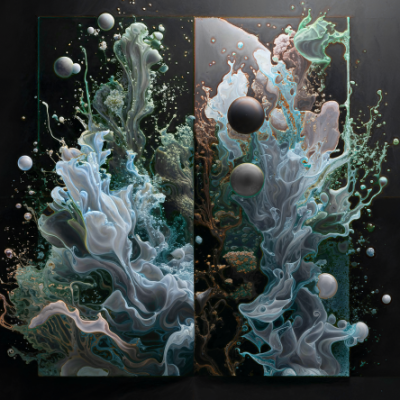
Aquatic Diptych
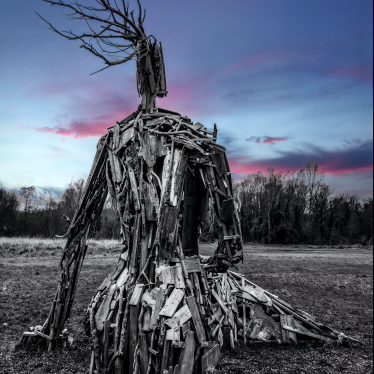
Beautiful

Contact
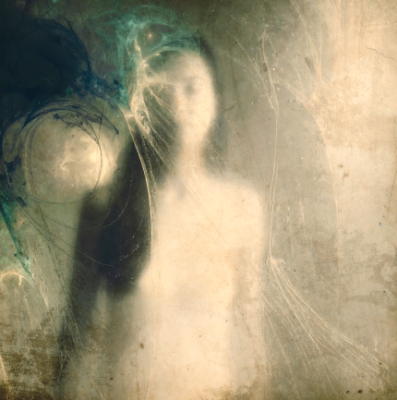
Distant
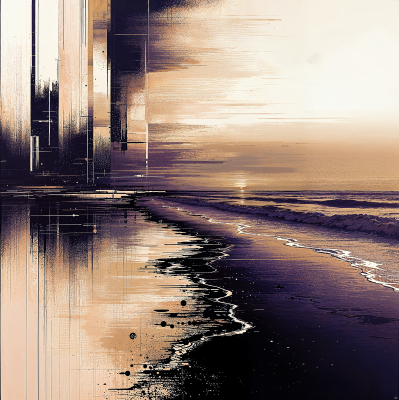
Ebb Tide

Fallow
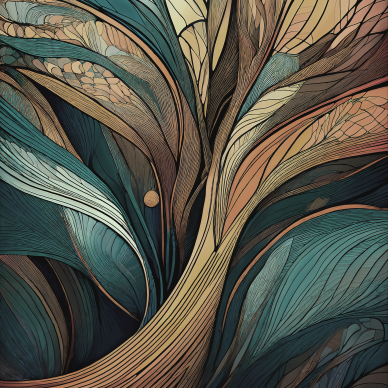
Flux
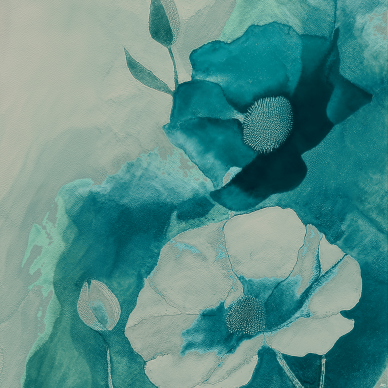
Fragile
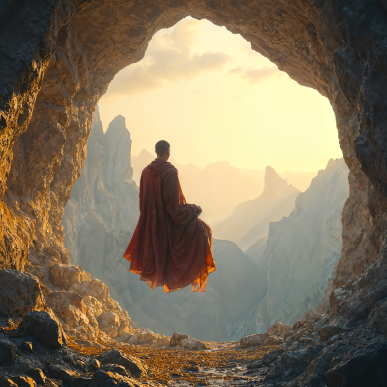
Frequency
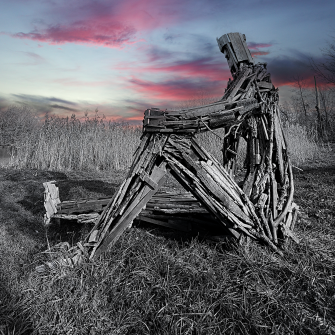
Handsome
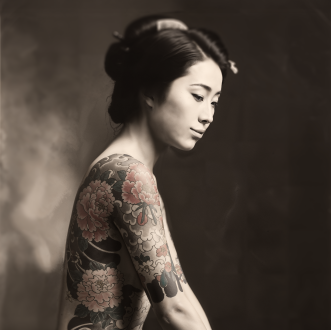
History Engraved in the Skin
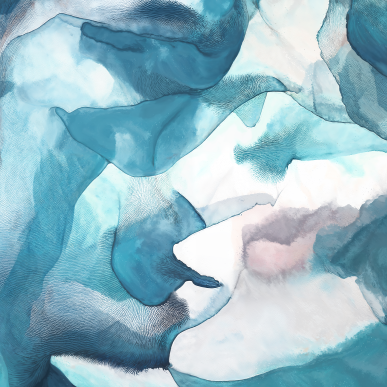
Lightly Brushes
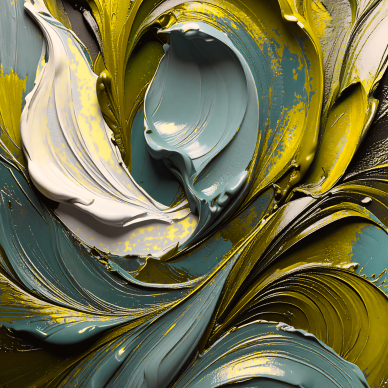
Matter and Movement
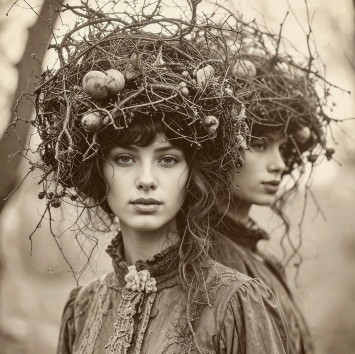
Nature

Nature Carries Us
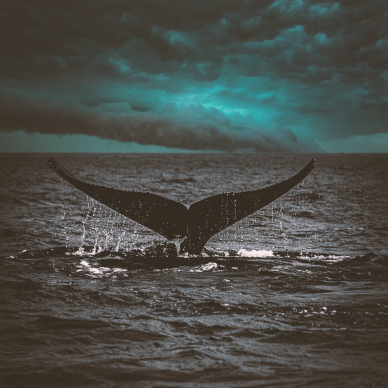
Our Treasure
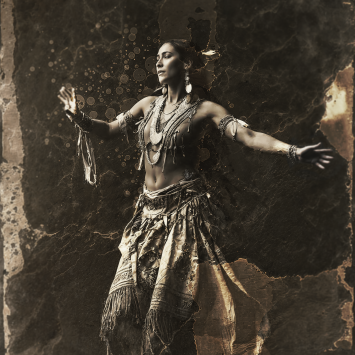
Owaci
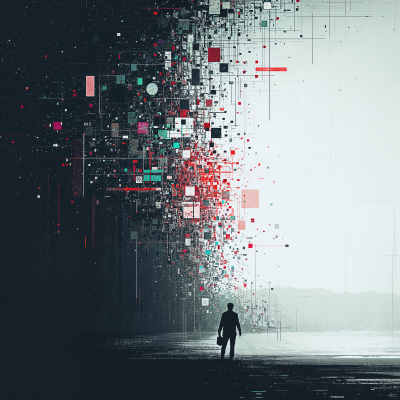
Past, Present, Future
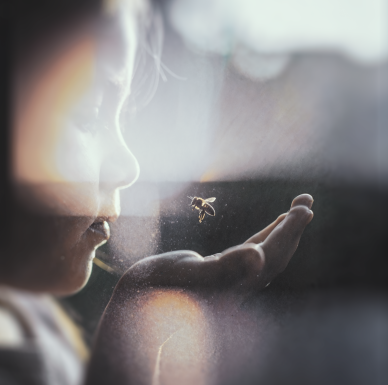
Simply
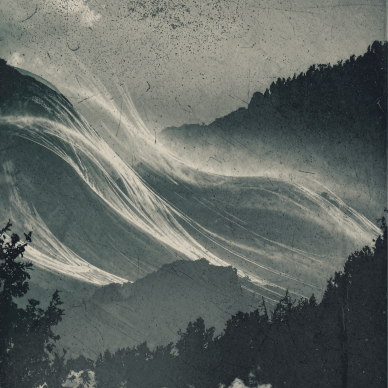
Torrent of Mist

Transmission

Trust
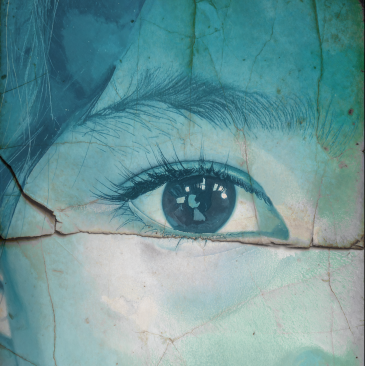
Truth
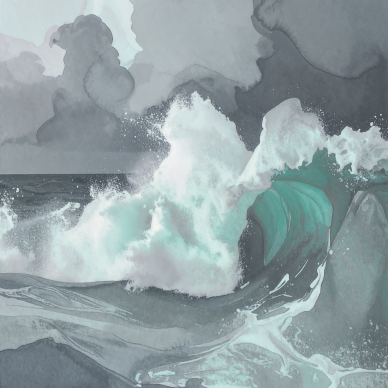
Turmoil
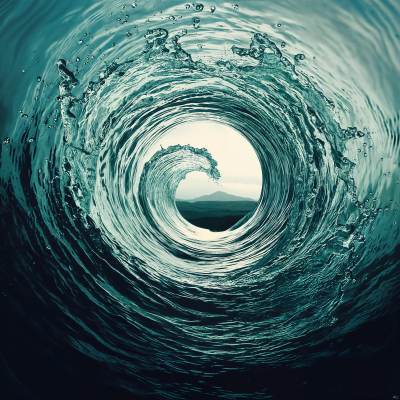
Vortex