
Mikhail AbramTestimonials
Emotionism as a Form of Testimony: Abram’s works exist in the space between image and state. This is painting in which the figure is never merely a body, and the subject is never simply a scene. Here, the individual is always vulnerable—stripped not merely physically, but existentially. The artist treats emotion not as a theme, but as a material, giving rise to his own defining method: Emotionism.
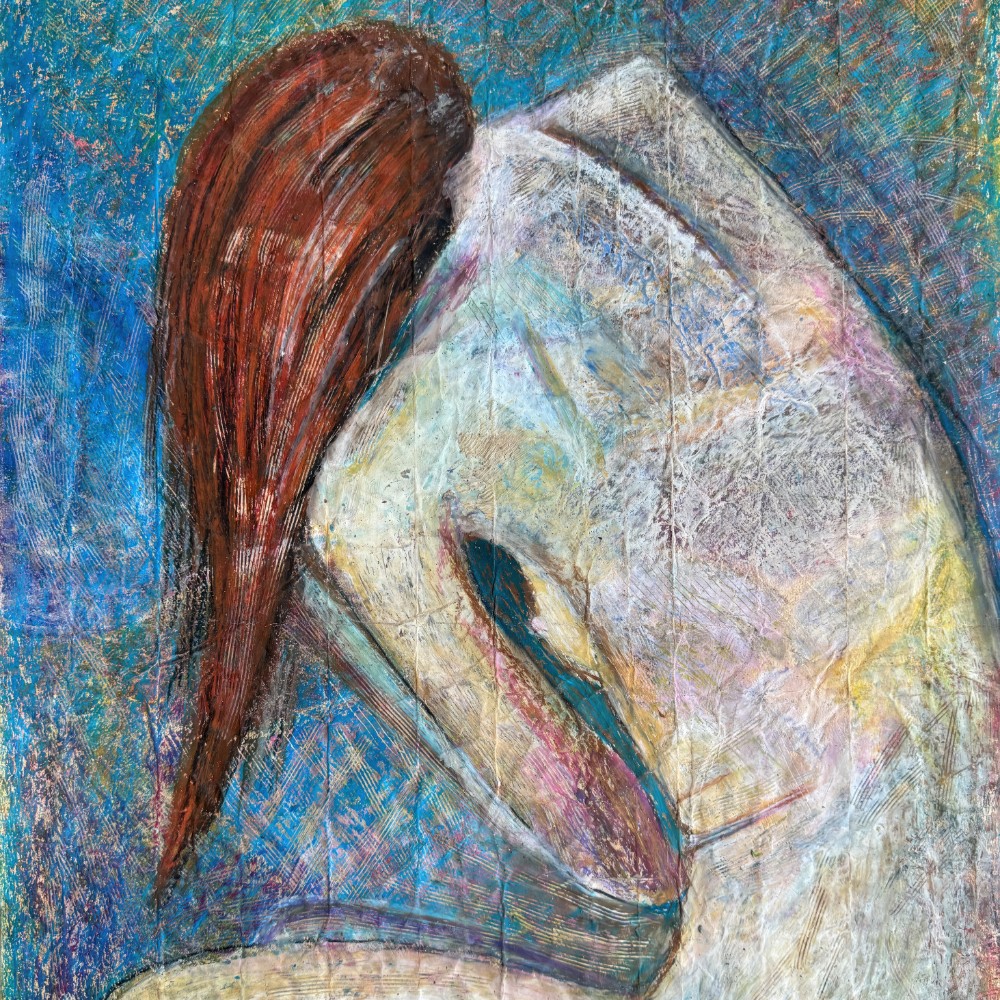
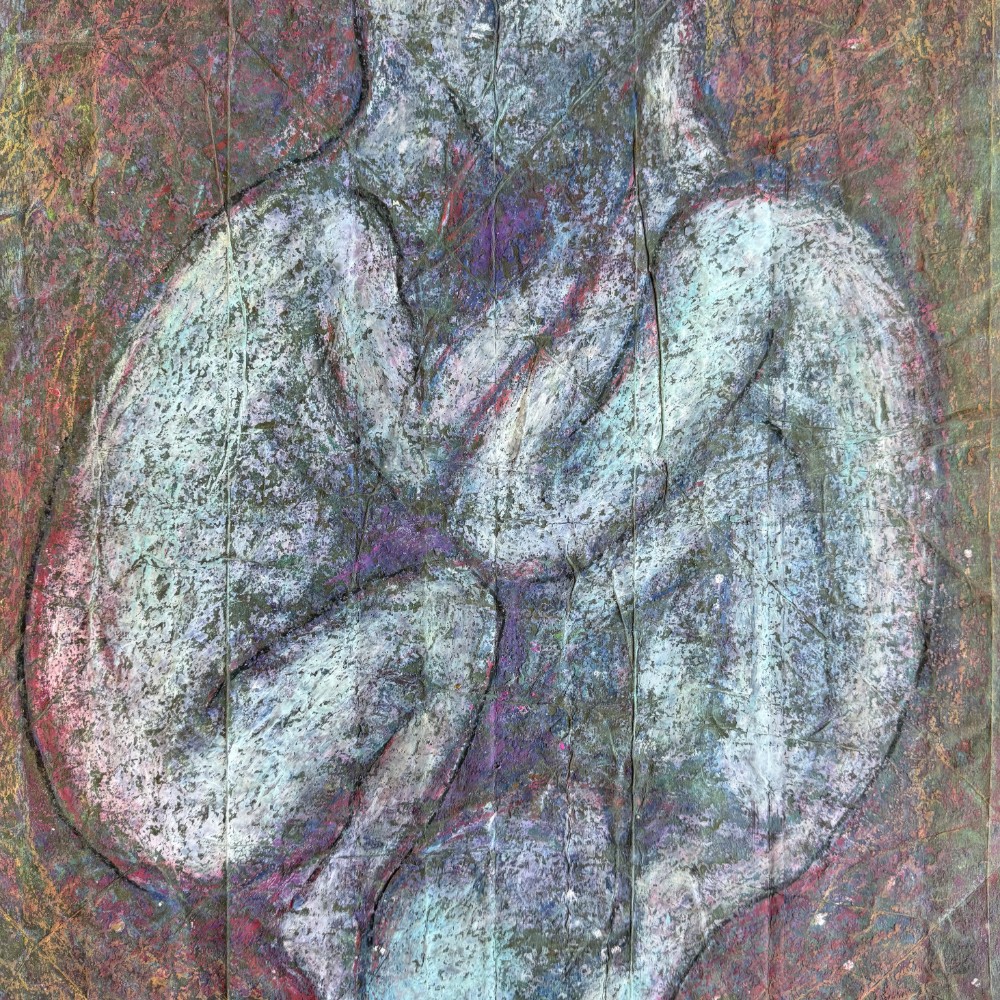
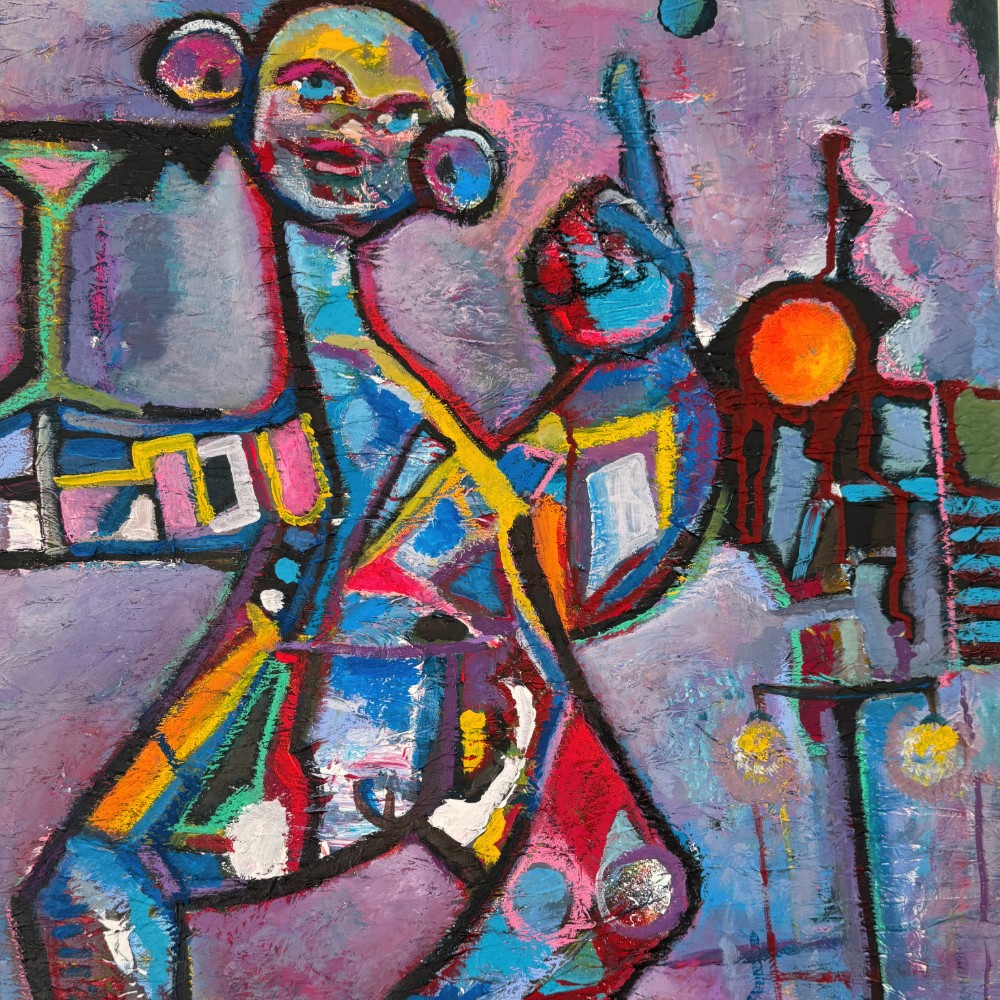
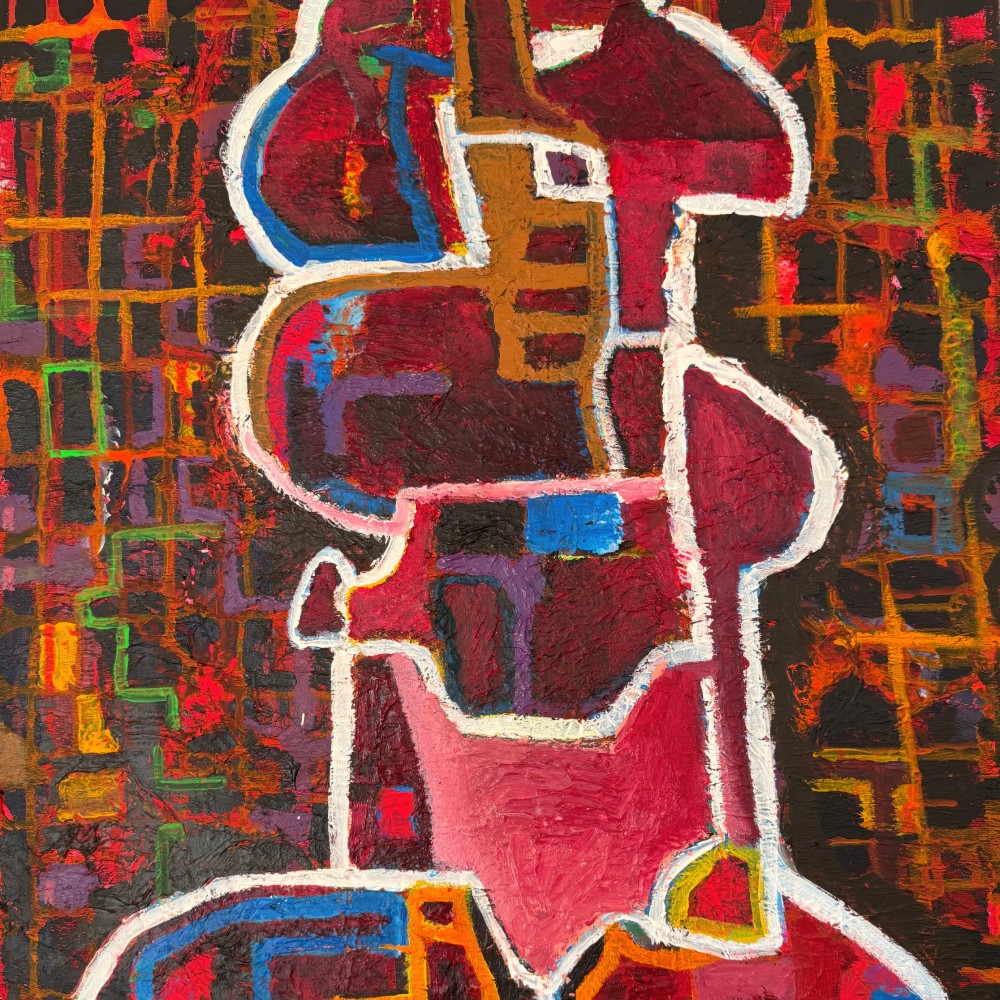
The exhibition is conceived as a single statement unfolding across two rooms. The first presents paintings on canvas—dense, saturated, and materially present. The second showcases works on paper in pastel—more fragile, intimate, and almost confessional. Yet these are not two distinct periods or approaches; they are two breaths of the same internal process.
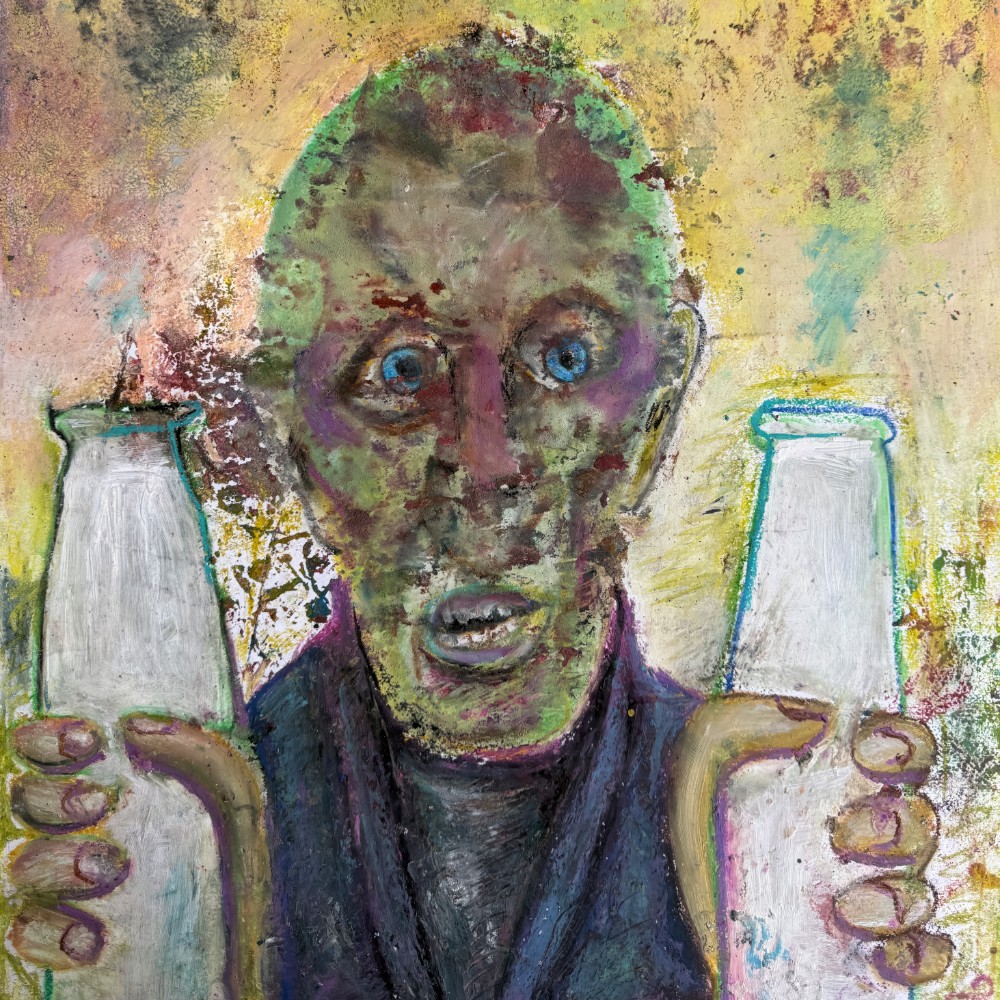
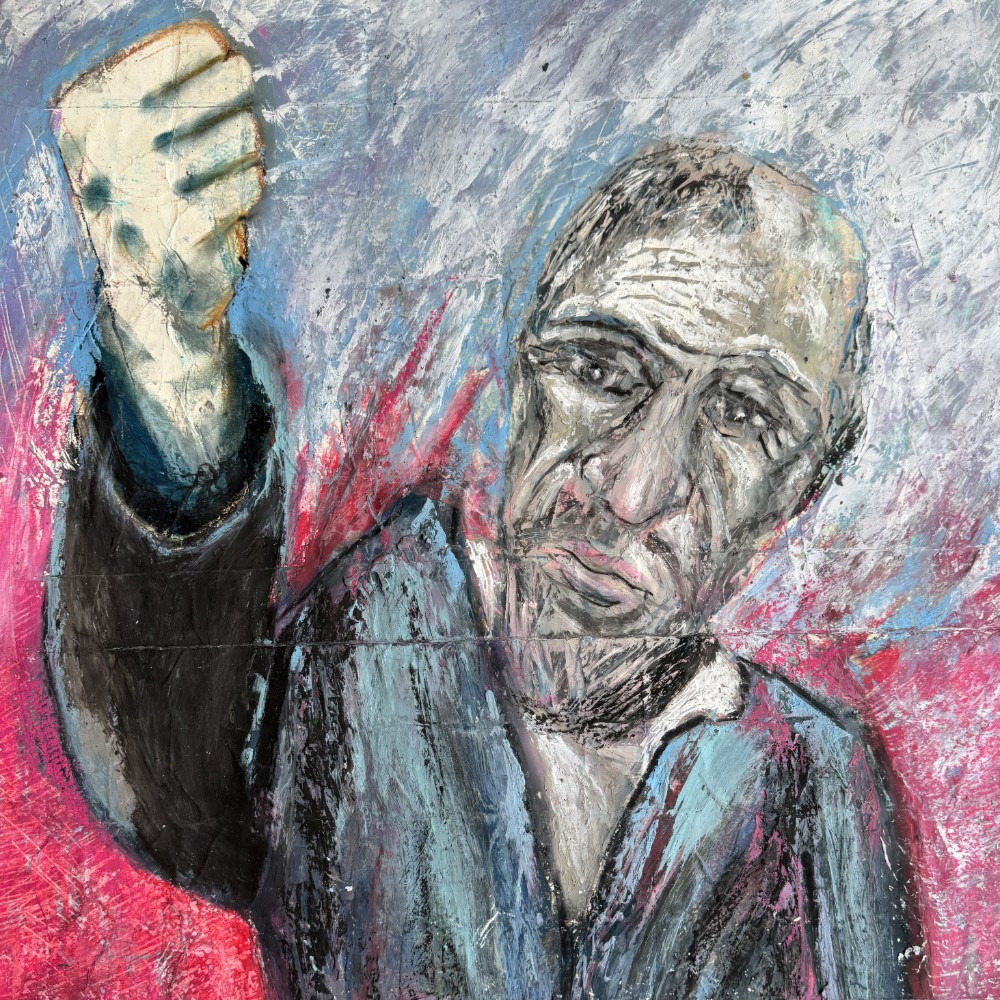
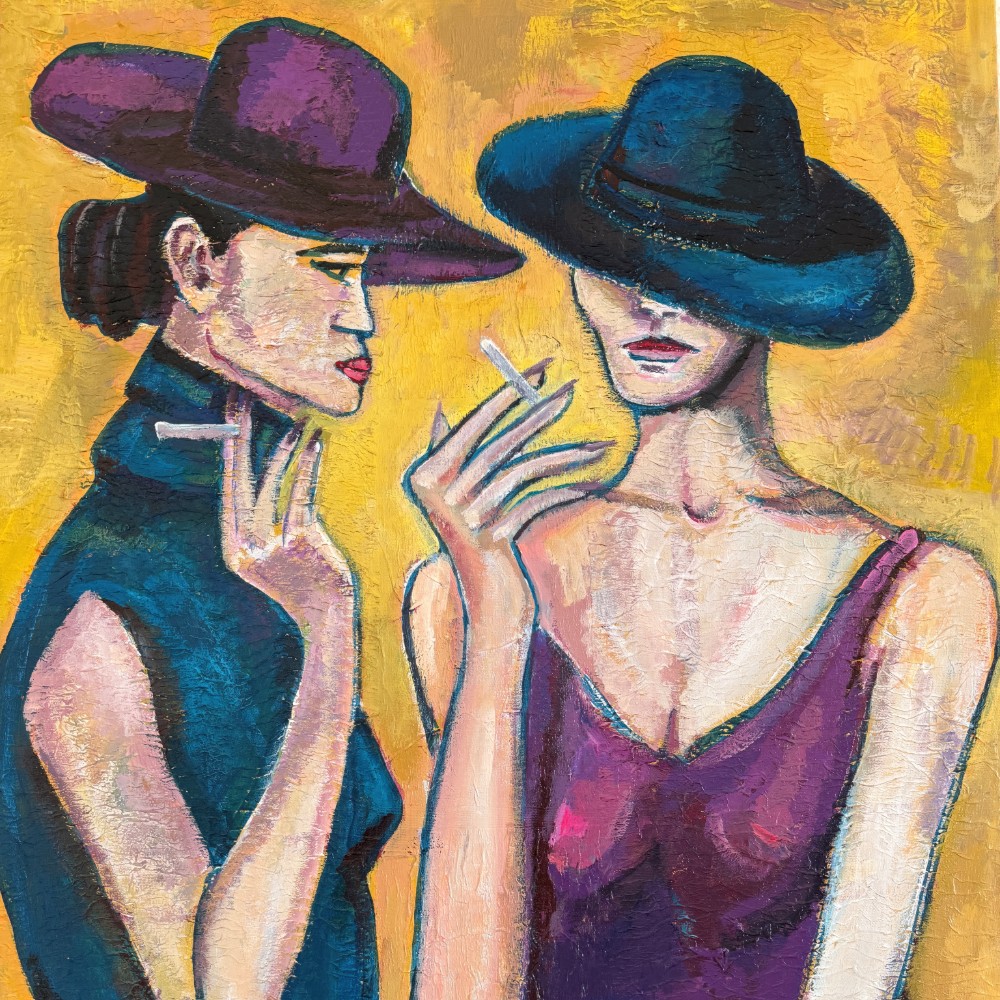
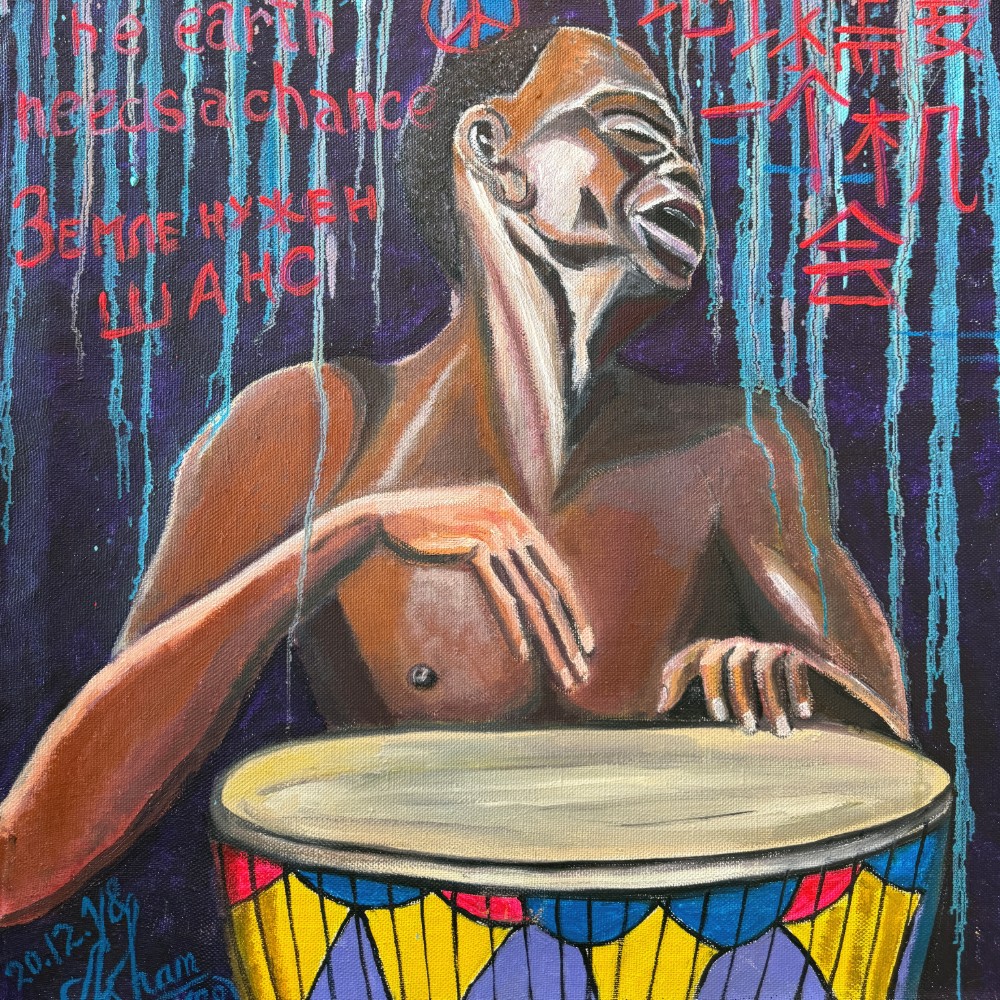
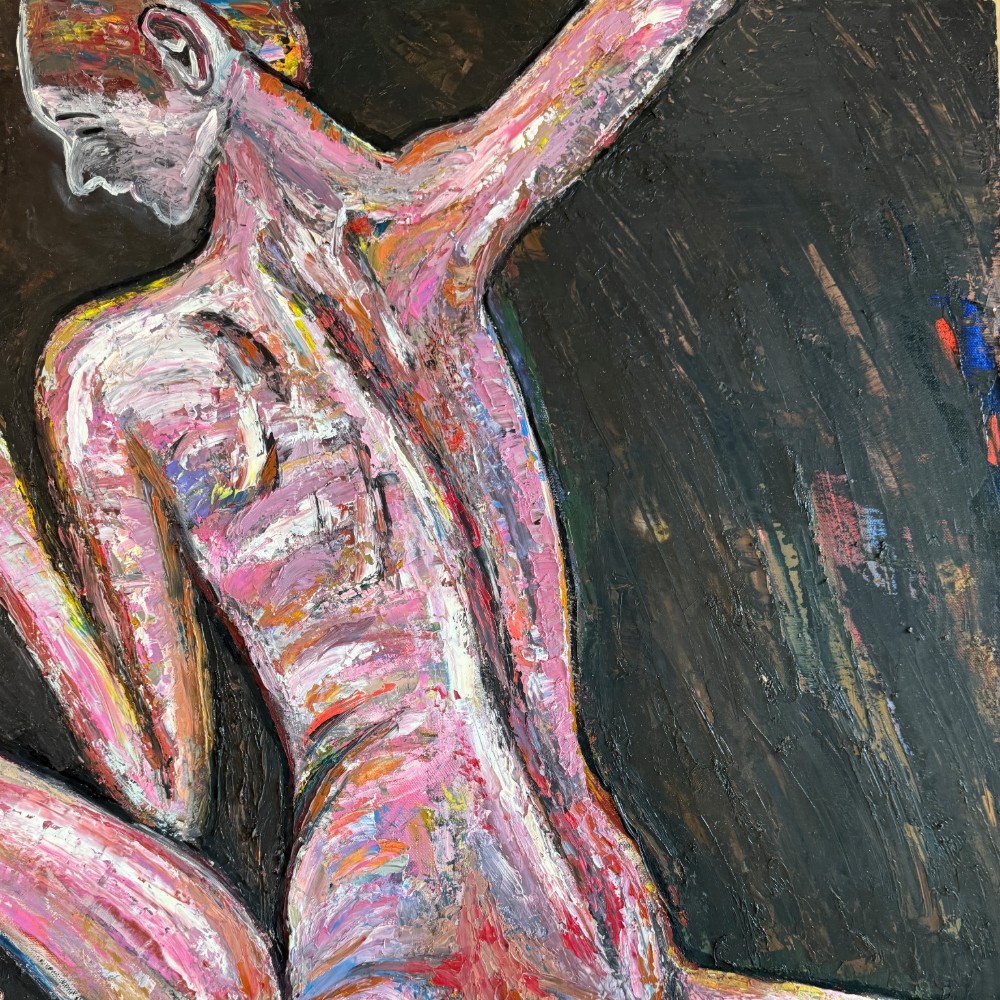
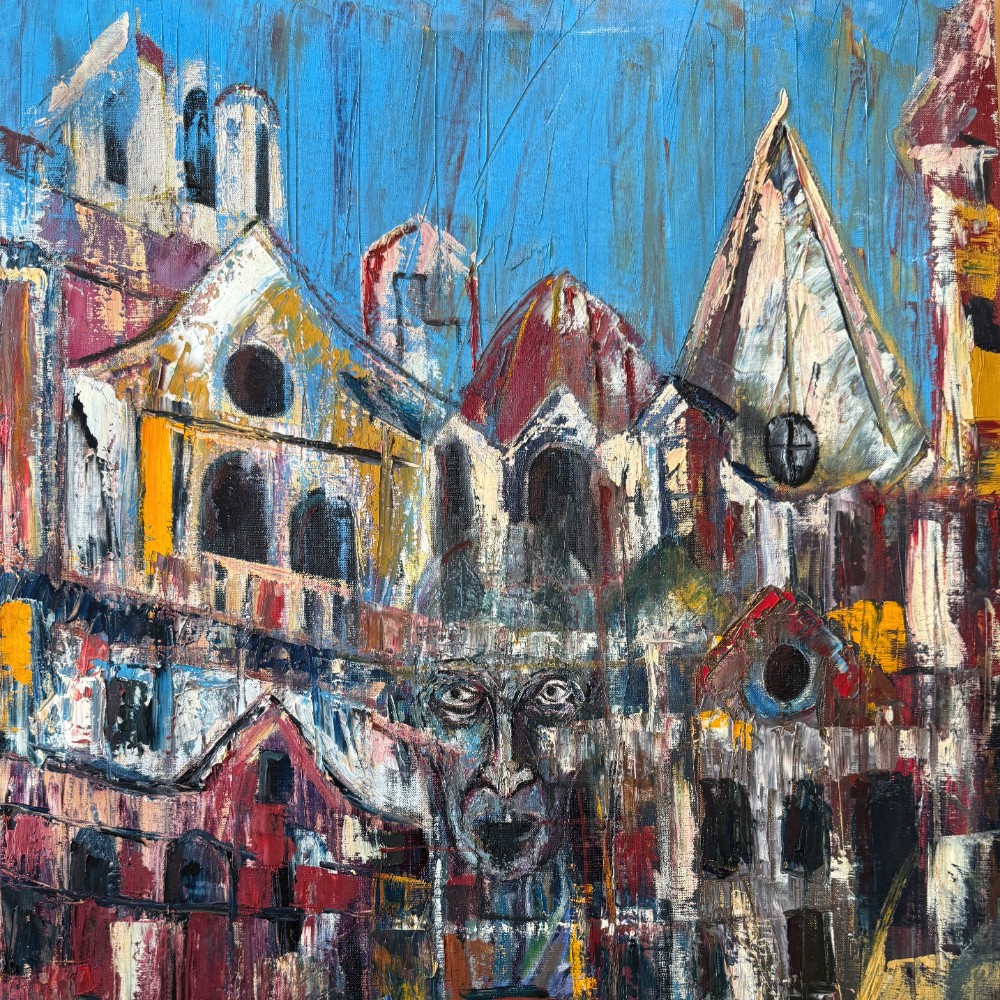
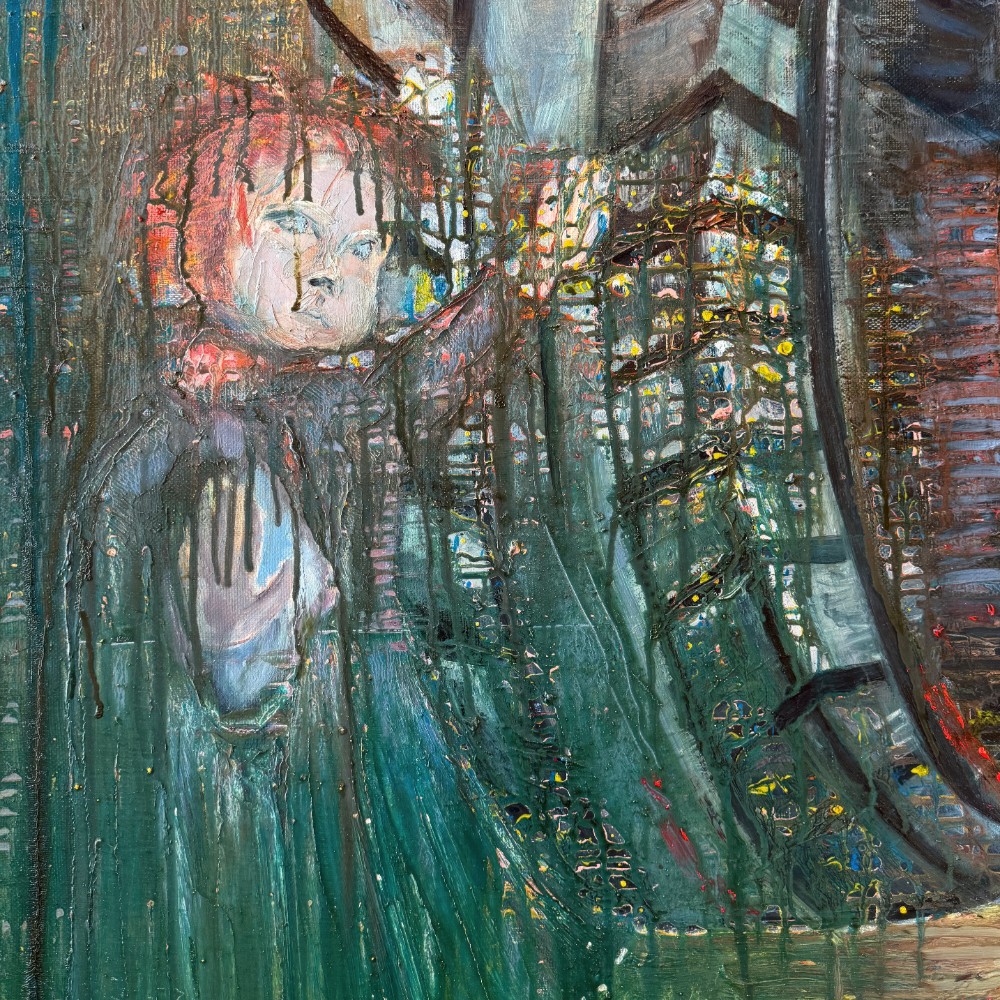
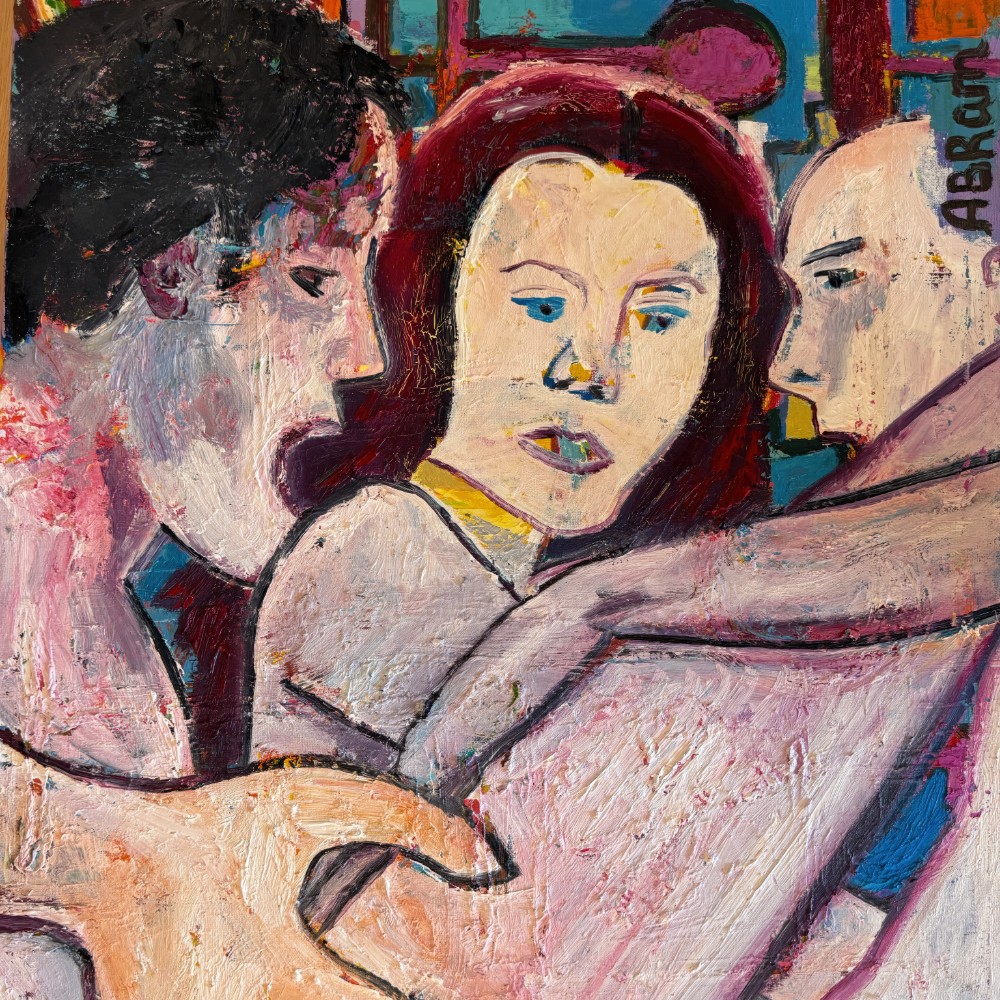
In his paintings on canvas, Abram engages with the tension of form. Figures are often distorted and weighted, as if bearing the imprint of time, pain, and lived experience. Faces resemble icons without a canon; bodies appear as reliefs without an ideal. These images can be read as archetypes of contemporary existence: a human being who has lost ground, a human being demanding an answer, a human being addressing the world with a silent question. These works speak loudly—almost physically—through dense texture, sharp chromatic collisions, and gestural force.
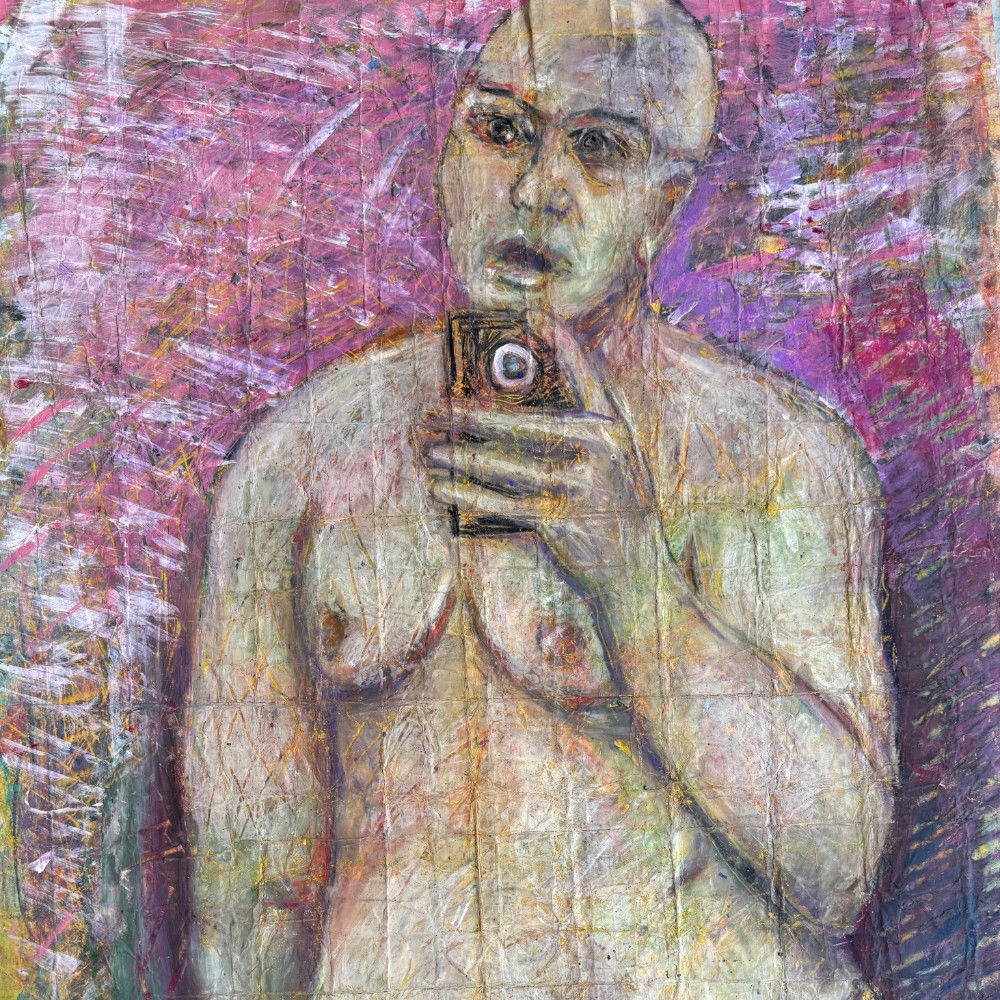
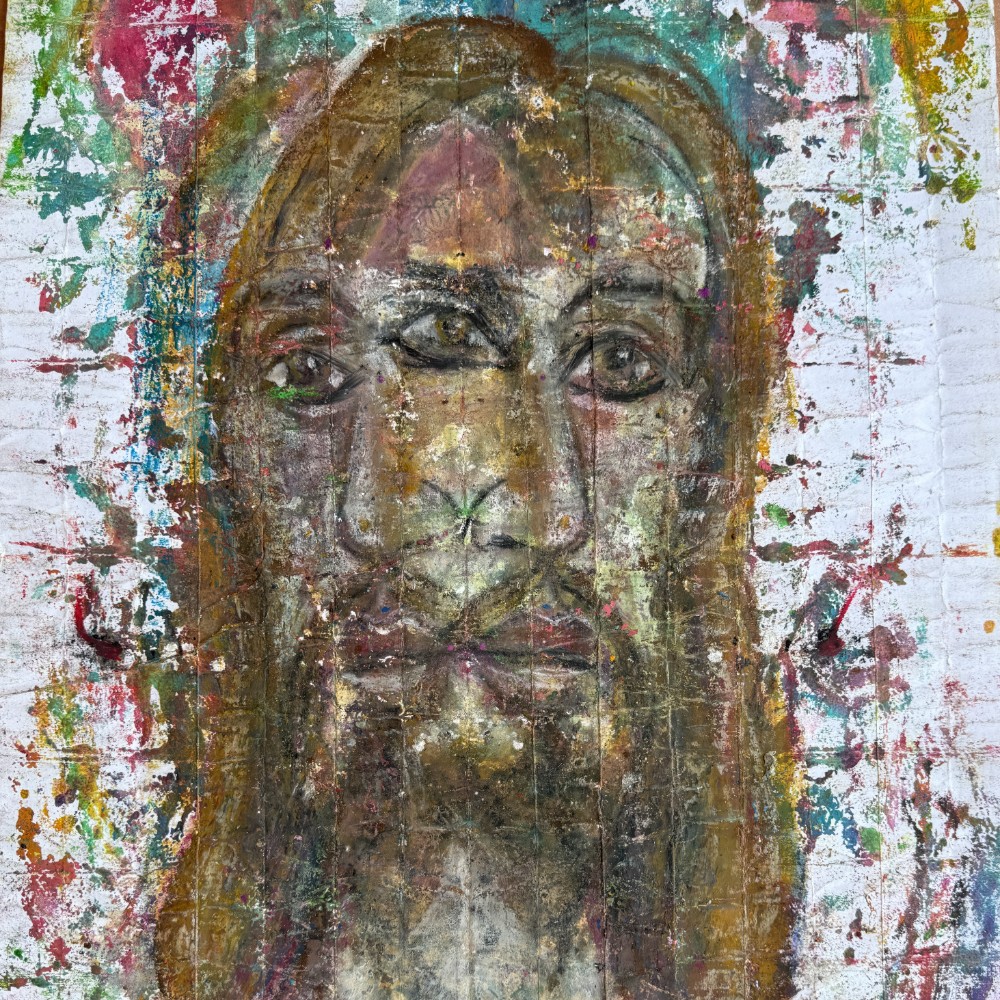
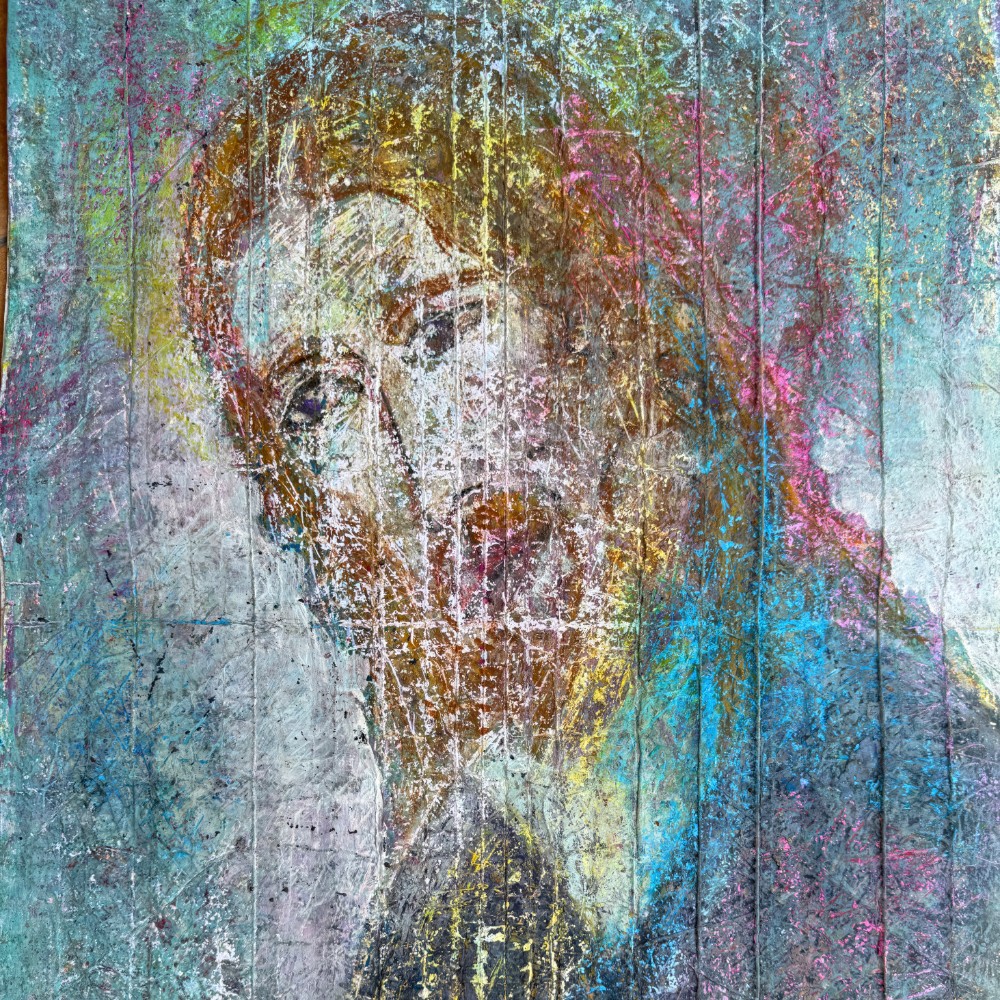
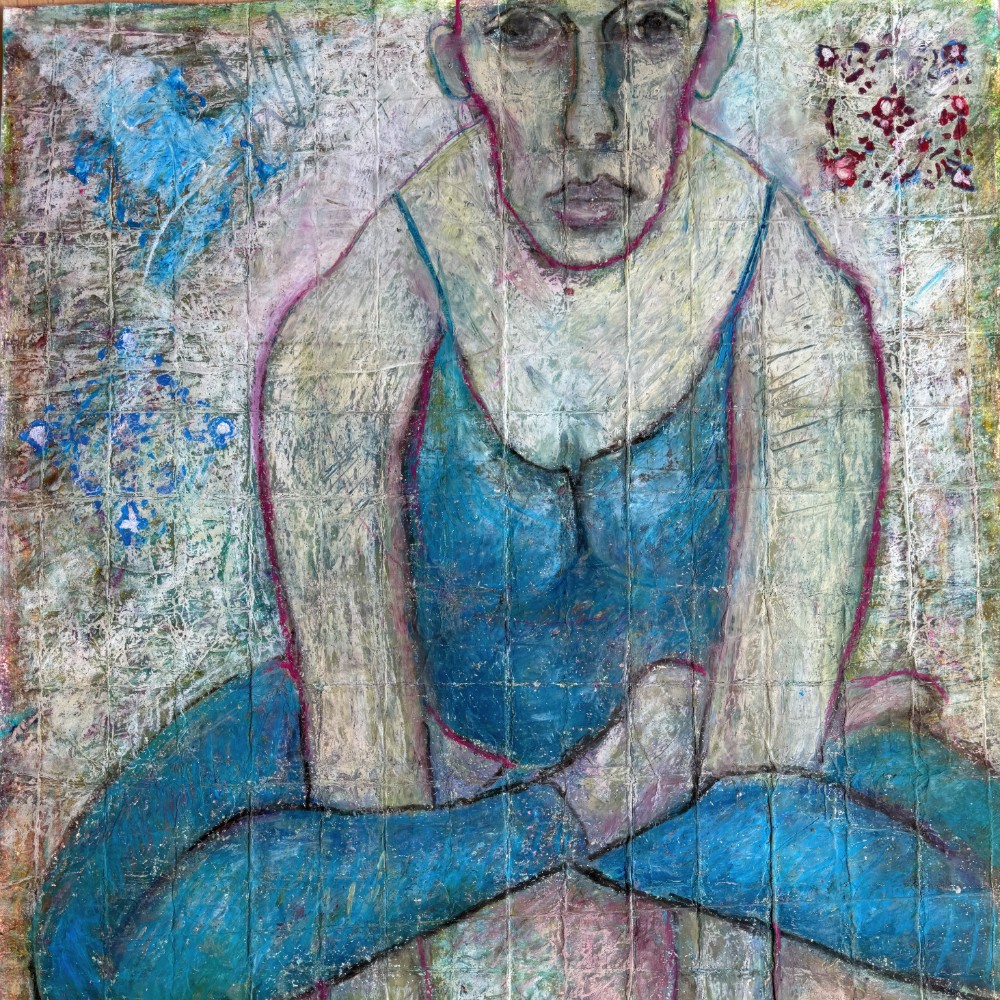
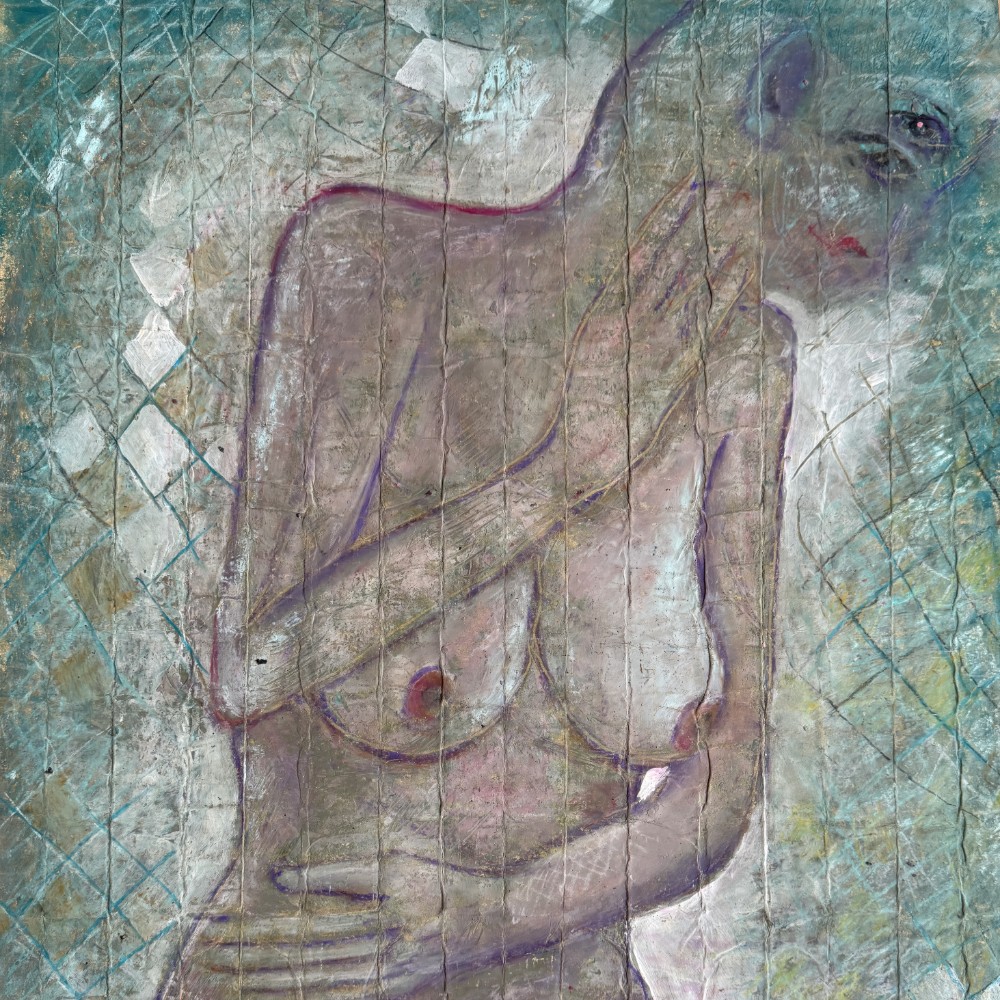
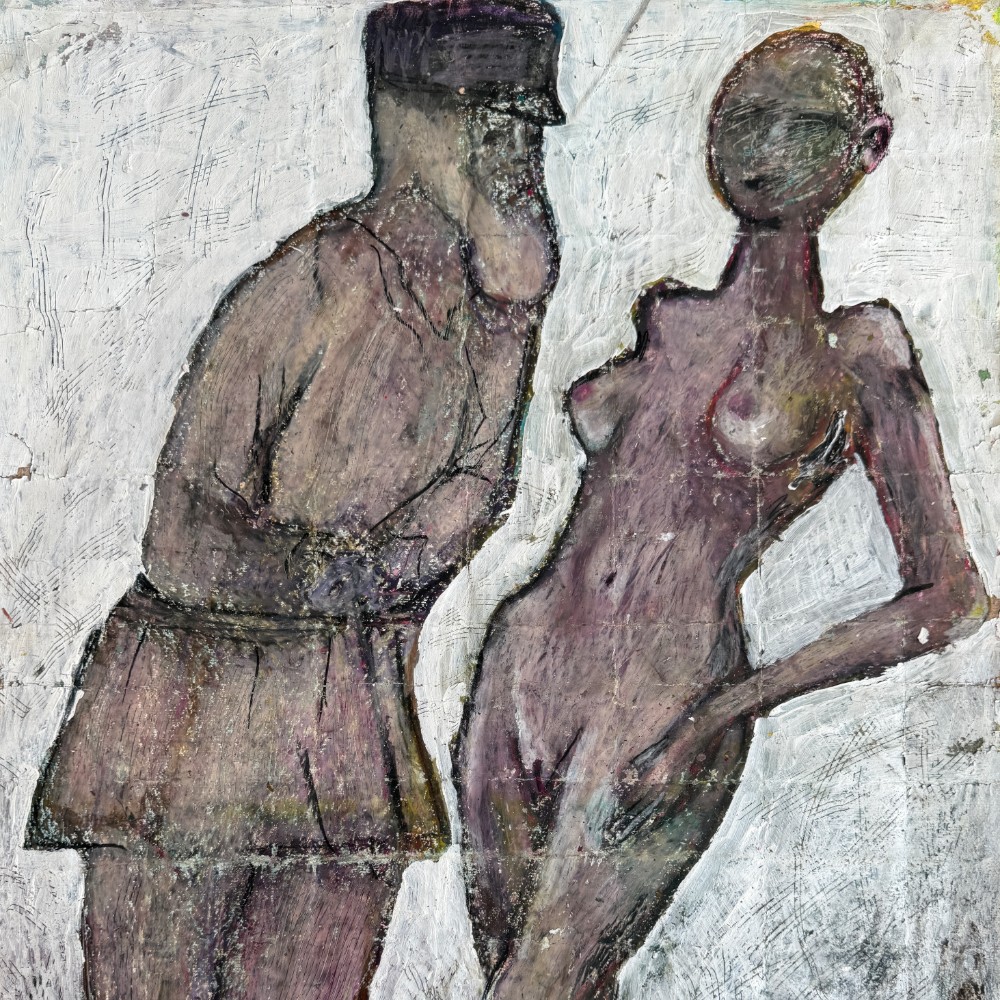
The paper and pastel works in the second room seem quieter, but this impression is deceptive. Here, emotion does not diminish; it draws closer. The line trembles, color appears to fade with the breath, and the figures seem especially vulnerable. If the canvases represent a collision with reality, the pastels reflect the contemplation that follows the impact. These works introduce a pause, a doubt, an attempt to hold oneself within the moment. They are neither sketches nor secondary material, but an equal and essential part of the artistic statement.
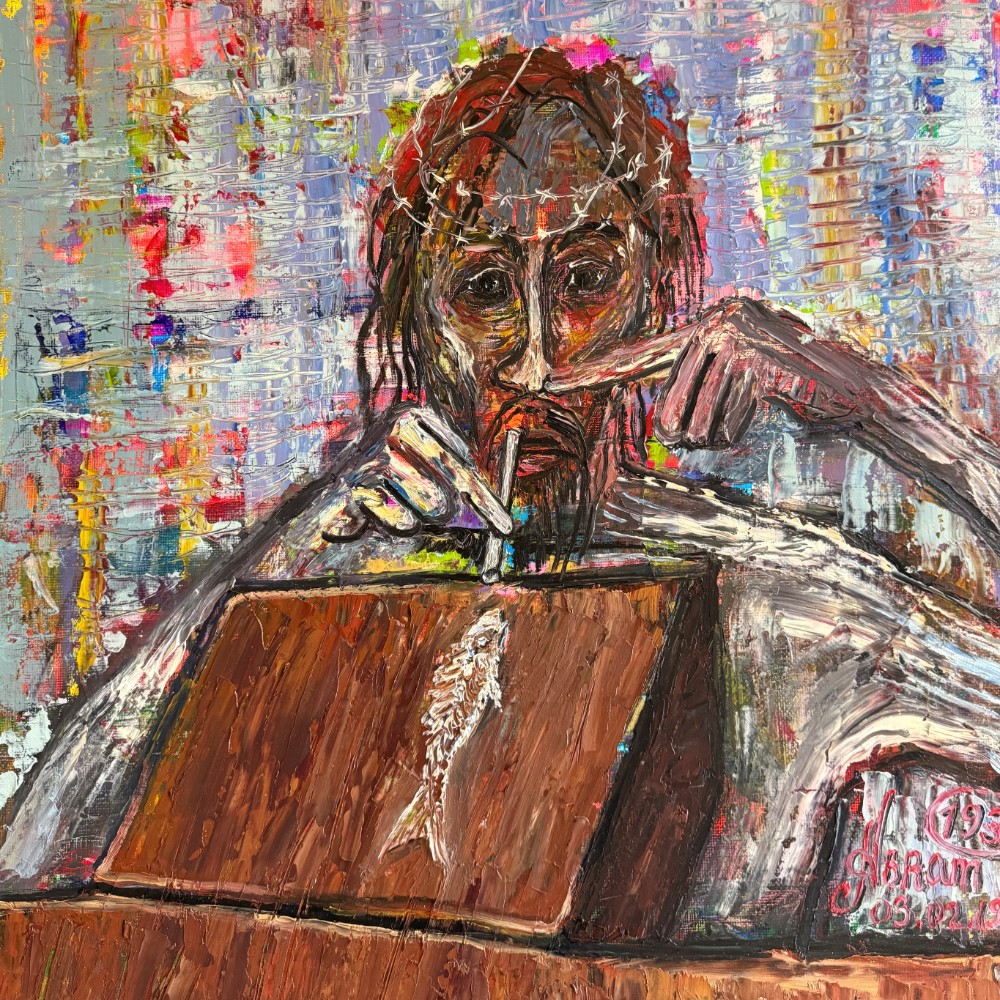
Central to the exhibition are images that engage with religious and humanistic traditions. Abram’s Christ is neither triumphant nor conventionally redemptive. This is a Christ who doubts, suffers, and bears wounds—the “Christ we deserve.” Or, perhaps, a Psychedelic Savior: a reflection of a collective consciousness in which faith, fear, guilt, and hope are fused into a single, uneasy image. These works are not about religion as doctrine, but about belief as an inner crisis.
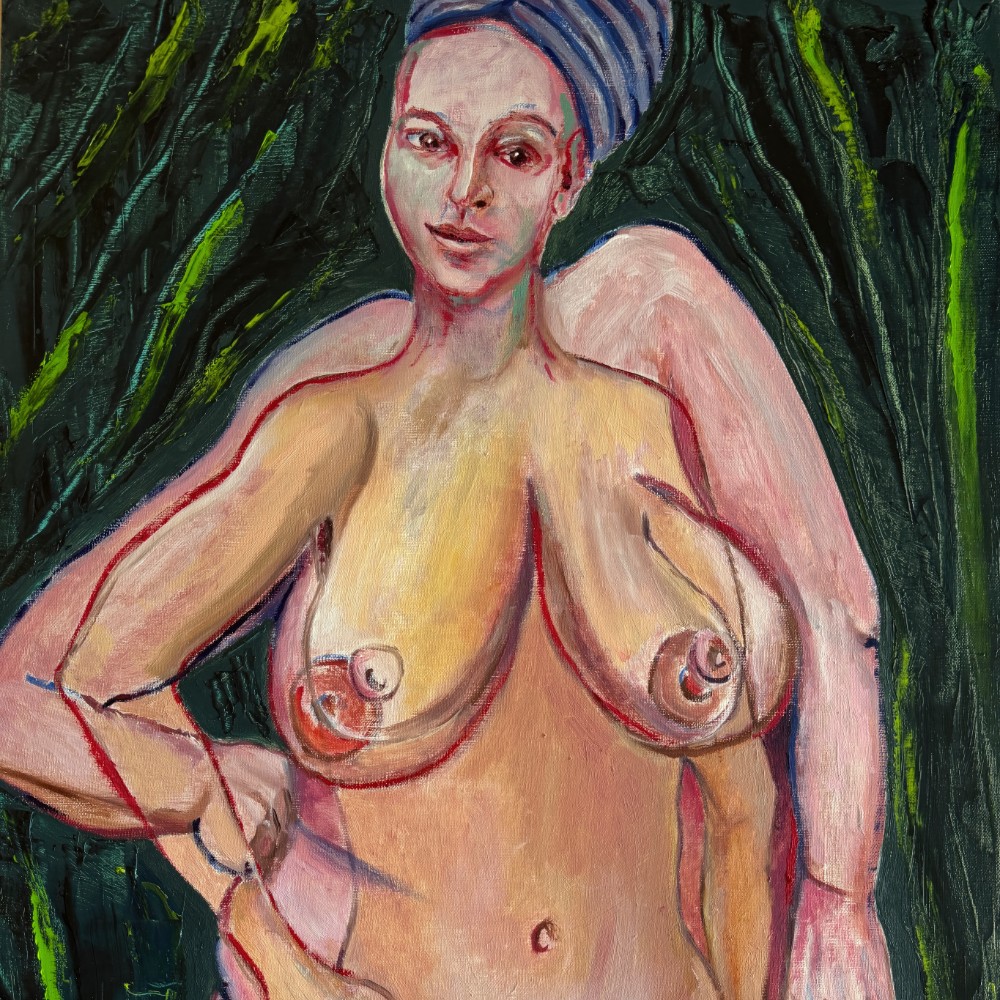
The nude body in Abram’s work is devoid of eroticization; it is the body as a site of pain, memory, and resistance. Bent, concealed, and tense, yet never decorative. Through corporeality, the artist speaks of human fragility under pressure—social, historical, and personal.
Abram’s Emotionism rejects distance. His painting does not offer the viewer safe contemplation. It demands participation, an internal response, and sometimes, discomfort. This is an art that neither explains nor consoles, but honestly records the human condition here and now.
The two rooms form not an opposition, but a dialogue: density and fragility, loudness and silence, gesture and touch. Together, they create a unified space in which the viewer ceases to be an observer and becomes a witness to another’s vulnerability, and perhaps to their own.
 , you like this
 , you like this
 , you like this
 , you like this
 , you like this
 , you like this
 , you like this
 , you like this
 , you like this
 , you like this
 , you like this
 , you like this
 , you like this
 , you like this
 , you like this
 , you like this
 , you like this
 , you like this
 , you like this
 , you like this